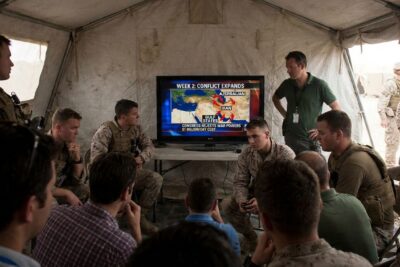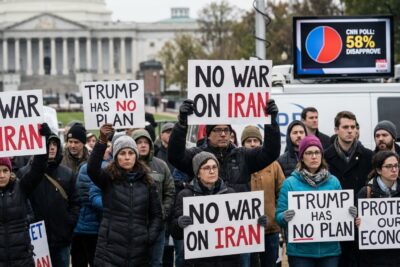
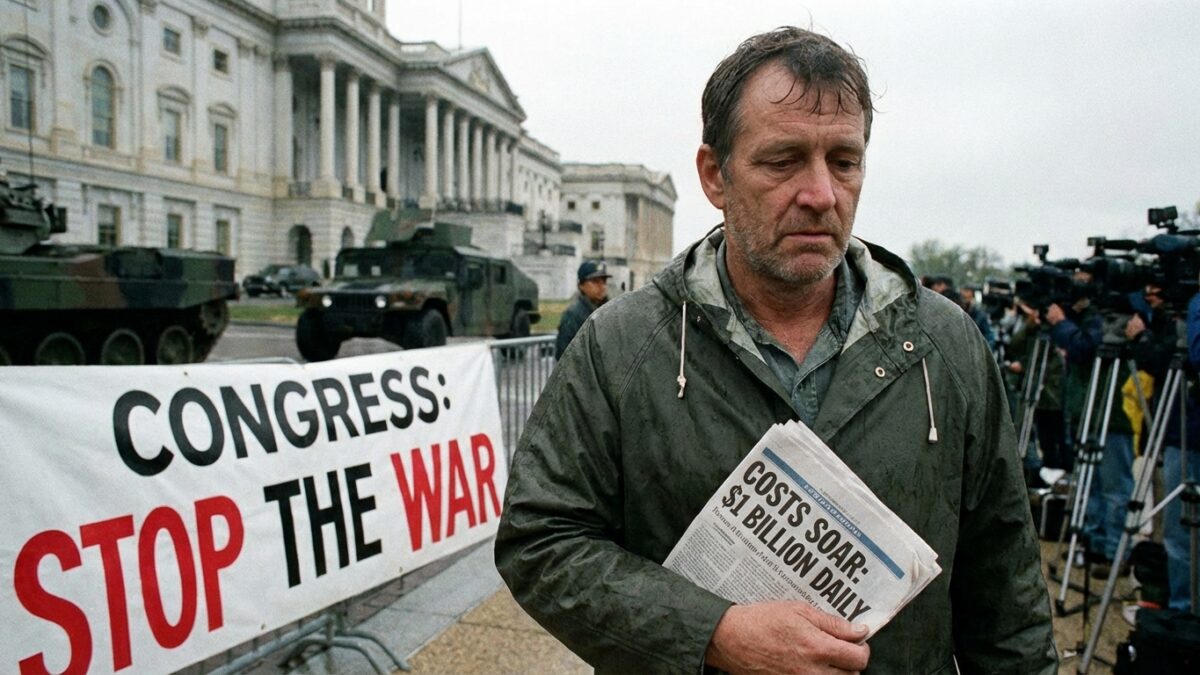
Both chambers of Congress voted down bipartisan war powers resolutions on March 5, 2026, effectively giving President Trump a free hand to continue the military campaign against Iran without formal legislative authorization. The Senate rejected the measure 47 to 53, and the House followed suit when four Democratic members crossed party lines to join Republicans in killing the legislation. The votes came as the conflict entered its second week with six American service members dead, costs estimated at $1 billion per day, and the war expanding across the broader Middle East. (Source: CNBC; NBC News)
The Constitutional Debate
Senator Tim Kaine, who has championed congressional war powers for over a decade, argued that the Constitution is clear in granting Congress the authority to declare war and that the administration’s shifting justifications for the strikes demanded legislative scrutiny. The administration initially cited the need to prevent Iran from developing nuclear weapons, then pointed to intelligence suggesting an imminent Iranian first strike, before Defense Secretary Pete Hegseth framed the operation as retaliation for decades of Iranian-sponsored terrorism. (Source: NBC News)
Former Pentagon Middle East adviser Jasmine El-Gamal told Democracy Now! that it was ludicrous to expect the American people to believe that Iran would have attacked the U.S. preemptively in the middle of negotiations. She noted that indirect nuclear talks between Iran and the U.S. had been held in Oman just weeks before the strikes began. Former State Department diplomat Hala Rharrit, who resigned in 2024, called the situation exactly what American diplomats have been trying to avoid for two decades. (Source: Democracy Now!)
The Political Calculus
The war powers vote exposed fractures within both parties. Most Republicans supported the president’s authority to act unilaterally, though a handful expressed private concern about the lack of clear objectives or an exit strategy. Among Democrats, the four members who voted to kill the resolution faced immediate backlash from progressive organizations and antiwar constituents. White House Press Secretary Karoline Leavitt celebrated the outcome, stating that Iran’s murderous terrorist leaders are paying for their crimes against America and they are paying in blood. (Source: CNBC)
The CNN poll released earlier in the week showed that 62 percent of Americans believed Trump should seek congressional approval for further military action. The disconnect between public opinion and the congressional vote reflects the political dynamics of wartime, where members of Congress are reluctant to constrain a commander-in-chief during active hostilities for fear of being perceived as undermining the troops.
Historical Precedent
The failed vote follows a pattern of congressional deference on military action that stretches back decades. Presidents have increasingly relied on existing authorizations, including the 2001 Authorization for the Use of Military Force passed after September 11, to justify operations far beyond their original scope. Legal scholars have debated whether the AUMF can be stretched to cover strikes against Iran, a country that was not implicated in the September 11 attacks. (Source: CNBC)
The practical consequence of the votes is that the U.S. military campaign against Iran can continue indefinitely without a congressional vote, funded through existing defense appropriations and emergency authorities. With Defense Secretary Hegseth warning that the conflict will soon escalate further, the question of democratic accountability for military action has been effectively set aside at the very moment it is most relevant. For advocates of congressional war powers, the March 5 votes represent a capitulation that could set precedents lasting well beyond the current conflict. (Source: NBC News)
The shifting justifications for the military campaign drew particular scrutiny during the debate. The administration initially cited the need to prevent Iran from developing nuclear weapons, then pointed to intelligence suggesting an imminent Iranian first strike, before Defense Secretary Pete Hegseth framed the operation as retaliation for decades of Iranian-sponsored terrorism against Americans. Former Pentagon Middle East adviser Jasmine El-Gamal told Democracy Now! that it was ludicrous to expect Americans to believe Iran would have attacked the U.S. preemptively during active negotiations. Former State Department diplomat Hala Rharrit called the situation exactly what diplomats had been trying to avoid for two decades. Israeli President Isaac Herzog said Israel and the U.S. did not have much of a choice but to take action, citing concerns about Iran’s weapons ambitions. (Source: Democracy Now!; CBS News)
A CNN poll released earlier in the week showed 62 percent of Americans believed Trump should seek congressional approval for further military action and 60 percent did not believe the president had a clear plan for the situation. The disconnect between public opinion and the congressional vote reflects wartime political dynamics where members are reluctant to constrain a commander-in-chief during active hostilities for fear of being seen as undermining troops. The precedent set by these votes means the campaign can continue indefinitely funded through existing defense appropriations and emergency authorities. For advocates of constitutional war powers, March 5 represents a capitulation with implications that will outlast this particular conflict. (Source: CNN; CNBC)