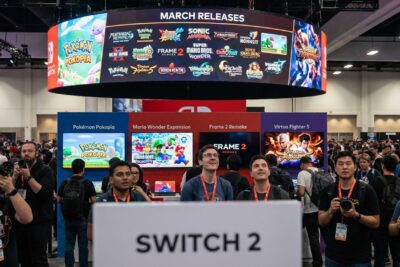
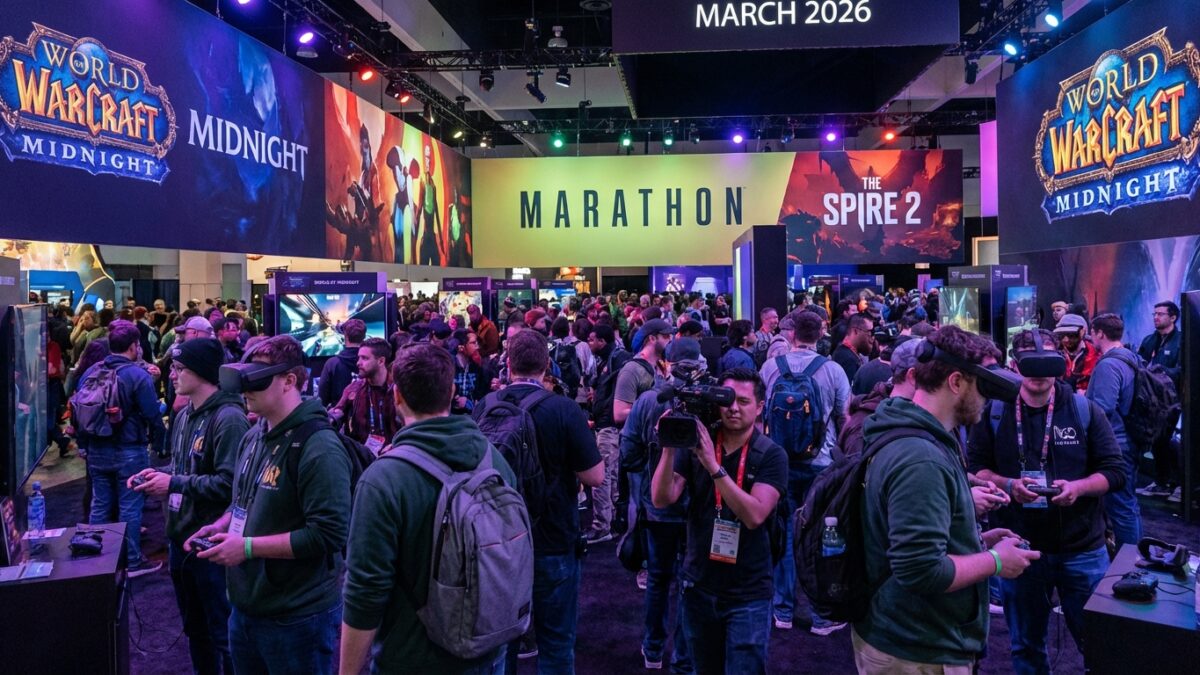
After a relatively subdued start to the year, March 2026 has arrived as a blockbuster month for video games, delivering an avalanche of high-profile releases that span massive MMO expansions, competitive extraction shooters, beloved indie sequels, and horror remakes. The concentration of major launches in a single month has created a rare situation where multiple tentpole titles compete directly for players’ time and wallets. (Source: GameSpot)
World of Warcraft: Midnight
The month opened with the launch of World of Warcraft: Midnight on March 2, Blizzard Entertainment’s 11th expansion for the 20-year-old MMO. The expansion returns players to Quel’Thalas, one of Azeroth’s most iconic settings, where they must form alliances to push back a massive Void invasion. Blizzard has introduced several major gameplay features with the expansion, including the long-requested player housing system, progression updates, and refreshed onboarding systems designed to welcome both new and returning players. (Source: GameSpot; DLCompare)
The expansion represents the middle chapter of the Worldsoul Saga trilogy that began with The War Within in 2024, and its launch has been accompanied by strong early player numbers as returning veterans and newcomers explore the new content.
Marathon: Bungie’s Big Bet
Bungie’s Marathon arrived on March 5 after several controversies and a lengthy development period. The game reimagines the classic 1990s FPS franchise as a modern extraction shooter set on the distant world of Tau Ceti IV. Players choose from a variety of Runner Shells with customizable abilities and compete for loot in a hostile sci-fi environment backed by Bungie’s signature gunplay. (Source: GameSpot; PC Gamer)
The Sony-published title enters an increasingly competitive extraction shooter market that has seen ARC Raiders establish itself over the past year. Industry observers are closely watching Marathon’s opening week performance as an indicator of whether the extraction genre can sustain multiple major titles simultaneously, or whether market saturation has set limits on player engagement. (Source: DLCompare)
Slay the Spire 2 Enters Early Access
Perhaps the most anticipated indie release of 2026, Slay the Spire 2 entered Steam Early Access in March, bringing the sequel to one of the most influential deckbuilding roguelikes ever made. Developer Mega Crit has introduced cooperative multiplayer as the headline new feature, supporting up to four players with multiplayer-specific cards and powerful team synergies that were absent from the original. (Source: GameSpot)
The original Slay the Spire is widely credited with establishing the deckbuilding roguelike as a mainstream genre, inspiring dozens of imitators and establishing design patterns that have influenced game development broadly. The sequel’s success in early access will likely set the tone for the genre’s next evolution.
Horror, Wrestling, and Monsters
The middle of March brings its own wave of major releases. Fatal Frame 2: Crimson Butterfly Remake arrives March 12, reimagining the cult-classic Japanese horror game for modern hardware. John Carpenter’s Toxic Commando, described as a love letter to 1980s horror and action films, launches the same day from Saber Interactive. (Source: GameSpot; PC Gamer)
Monster Hunter Stories 3: Twisted Reflection and WWE 2K26 both release on March 13, targeting very different audiences but competing for the same calendar window. GreedFall 2: The Dying World completes its journey from Early Access to full launch on March 12. (Source: Game Informer)
The Back Half
Late March continues the onslaught. Crimson Desert, a massive open-world action RPG from Pearl Abyss, promises to deliver what PC Gamer’s Harvey Randall described as combat resembling a mix between Breath of the Wild and Dragon’s Dogma 2. Death Stranding 2 arrives on PC nine months after its PlayStation 5 launch, featuring ultrawide support and DLSS integration. Legacy of Kain: Ascendance closes out the month on March 31. (Source: PC Gamer; VGC)
The Nintendo Switch 2 also continues building its library with several exclusive or enhanced titles releasing throughout March, including Super Mario Bros. Wonder Nintendo Switch 2 Edition and Virtua Fighter 5 R.E.V.O. World Stage, both arriving March 26. (Source: Game Informer)
Looking Ahead
With Grand Theft Auto 6 currently targeting a November release and the industry still building out Switch 2’s launch lineup, March 2026 may represent the densest concentration of major releases until the holiday season. For gamers, it is an embarrassment of riches. For publishers, it is a high-stakes test of whether the market can sustain this many premium releases simultaneously.
The Starlink Factor
Starlink, SpaceX’s satellite internet constellation, has become a significant revenue generator and key part of the valuation story. The service now serves millions of subscribers across dozens of countries, providing broadband access in areas where traditional infrastructure is limited. Revenue growth has been robust, and the service has proven strategic value during conflicts including its widely publicized use in Ukraine.
The constellation continues expanding with near-weekly launches. The Falcon 9’s reliability and rapid turnaround create a virtuous cycle where launch capabilities enable constellation expansion, which generates revenue that funds further infrastructure development.
For potential IPO investors, Starlink represents both opportunity and question. The revenue trajectory is impressive, but the competitive landscape includes Amazon’s Project Kuiper and various government-backed initiatives. Whether satellite internet will complement or compete with terrestrial 5G and fiber remains open.
The xAI integration adds another dimension. Synergies between AI capabilities and space infrastructure are significant: AI can optimize constellation management, improve autonomous spacecraft operations, and enable new applications for Earth observation data. However, concentrating this much technological and economic power under a single corporate umbrella may attract regulatory scrutiny from both antitrust and national security perspectives.