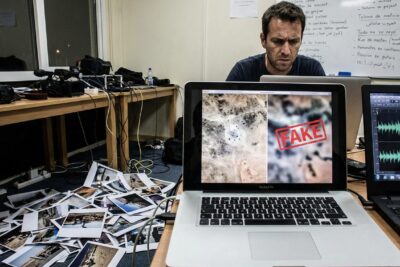
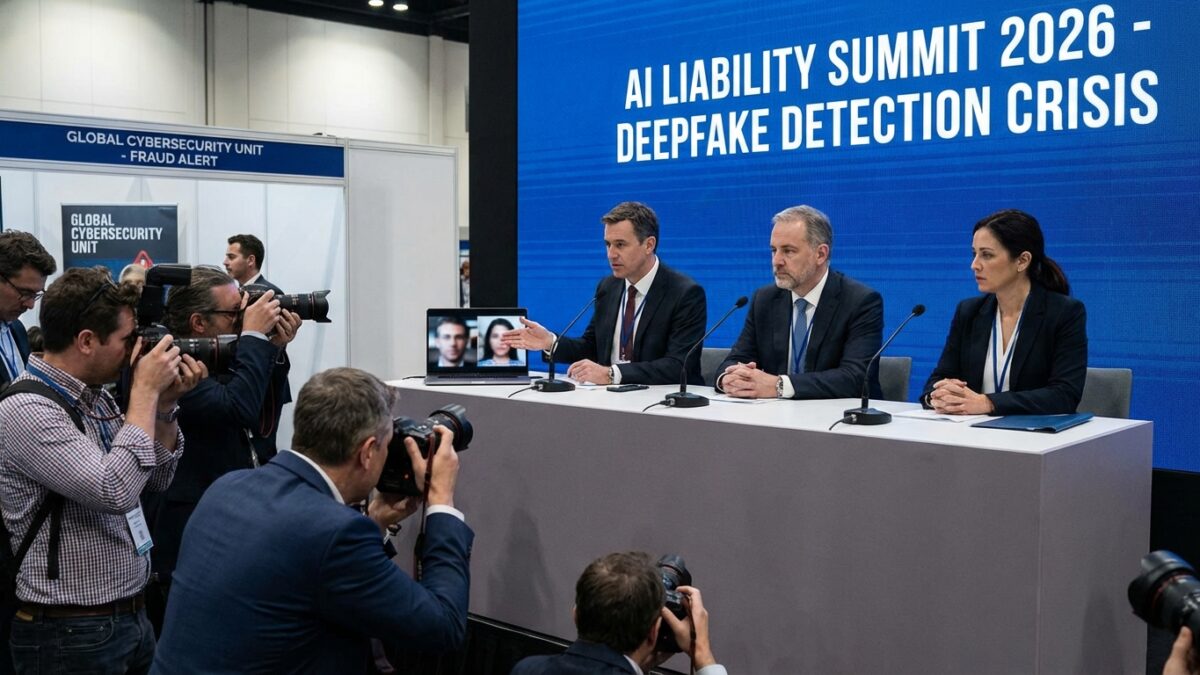
Cybersecurity and AI experts are warning that 2026 may represent an inflection point for deepfake technology, the moment when synthetic video and audio become sophisticated enough that even savvy users cannot distinguish them from reality. The warning comes as the World Economic Forum’s Global Cybersecurity Outlook 2026 found that nearly three-quarters of respondents reported that someone in their network was personally affected by cyber-enabled fraud in 2025, with AI-powered deception emerging as the fastest-growing vector. (Source: World Economic Forum)
The Uncanny Valley Crossed
In a joint discussion between cybersecurity journalists from Dark Reading, Cybersecurity Dive, and TechTarget, experts agreed that 2026 represents a uniquely dangerous moment. Alissa Irei of TechTarget noted that the sophistication and accessibility of deepfake technology will be at an all-time high, but the typical user might not yet be aware of what is possible. To date, most widely viewed deepfake content has telltale signs, she said, but there is an inflection point coming where even sophisticated users cannot tell they are looking at a deepfake video. (Source: Dark Reading)
The threat extends beyond entertainment or political manipulation. Senior executives, politicians, and high-level officials are increasingly targeted through deepfake impersonation. Attackers can send requests in their name, pretend to speak on their behalf, or target family members. The technology is particularly effective for social engineering attacks, where a convincing video or audio clip of a trusted authority figure can bypass security protocols that rely on human judgment. (Source: Dark Reading)
AI-Powered Fraud Epidemic
The WEF survey found that phishing via fraudulent emails remains the most common fraud method, followed by vishing through voice call scams and smishing through text message scams. What has changed is the quality and scale of these attacks. AI enables the creation of personalized, contextually appropriate messages that traditional spam filters and human intuition struggle to detect. The gap between CEO concerns over cyber-enabled fraud and CISO priorities around ransomware reflects different perspectives on the same underlying challenge: AI is making all forms of attack more effective. (Source: World Economic Forum)
The Bitdefender webinar on 2026 cybersecurity predictions highlighted three converging trends: ransomware evolving toward targeted disruptions, rapid uncontrolled AI adoption creating internal security crises, and the expanding attack surface from AI-enabled operations. The convergence creates what security professionals describe as a permanently unstable operating environment. (Source: The Hacker News)
Legal Reckoning Approaches
Several legal cases heading to trial in 2026 could establish precedents for AI company liability. The family of a teenager who died by suicide will bring OpenAI to court in November, testing the boundaries of responsibility for AI interactions. MIT Technology Review predicted that the legal landscape will be further complicated by the regulatory storm brewing between federal and state authorities over AI governance. (Source: MIT Technology Review)
The Trump administration’s executive order from December 2025 aimed at neutralizing state AI laws has set up confrontations with states like California and Colorado that have enacted their own safety and transparency requirements. AI companies are waging a fierce lobbying campaign against regulation, arguing that a patchwork of laws will smother innovation and weaken the U.S. position against Chinese competitors. (Source: MIT Technology Review)
Defending Against the Invisible
Organizations are investing in AI-powered detection tools designed to identify synthetic media, but the arms race between generation and detection remains tilted toward attackers. The WEF survey found that while 64 percent of organizations now assess the security of AI tools before deployment, up from 37 percent the previous year, 87 percent of leaders view AI-related vulnerabilities as the fastest-growing risk. CISA has been urged to provide leadership on AI security for federal agencies, but the agency enters 2026 without a Senate-confirmed director, limiting its ability to set standards. For individuals and organizations alike, the deepfake threat demands a fundamental shift from trusting what you see and hear to verifying through independent channels. (Source: World Economic Forum; Federal News Network)
Corporate and Government Response
Organizations are investing in multi-factor authentication systems that do not rely solely on voice or video verification, recognizing that biometric authentication becomes unreliable when synthetic media can perfectly replicate a person’s appearance and voice. Banks, law firms, and government agencies are implementing callback protocols, secondary verification channels, and digital watermarking technologies designed to establish the provenance of authentic communications.
The corporate world has also seen a rise in deepfake-enabled business email compromise attacks, where AI-generated video or audio of executives is used to authorize fraudulent transfers. The FBI reported a significant increase in such cases in 2025, with losses in the billions of dollars globally. Insurance companies are responding by adding specific deepfake exclusions to cyber liability policies, while simultaneously developing new coverage products for AI-related fraud. The development of industry standards for synthetic media detection, content authentication, and digital provenance tracking will be critical in the years ahead. The Coalition for Content Provenance and Authenticity, backed by major technology companies, is working on technical standards for content verification, but widespread adoption remains years away. In the meantime, the advice from security professionals is clear: verify everything through independent channels and never trust what you see or hear without confirmation.