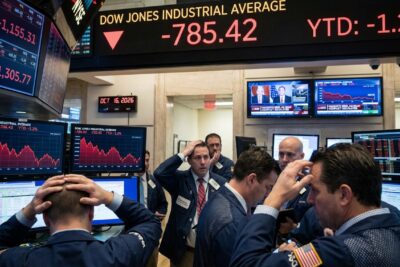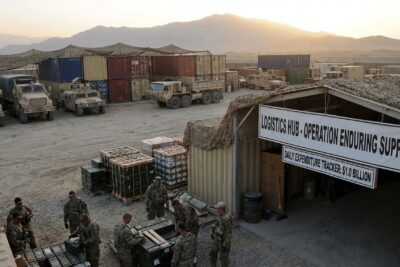
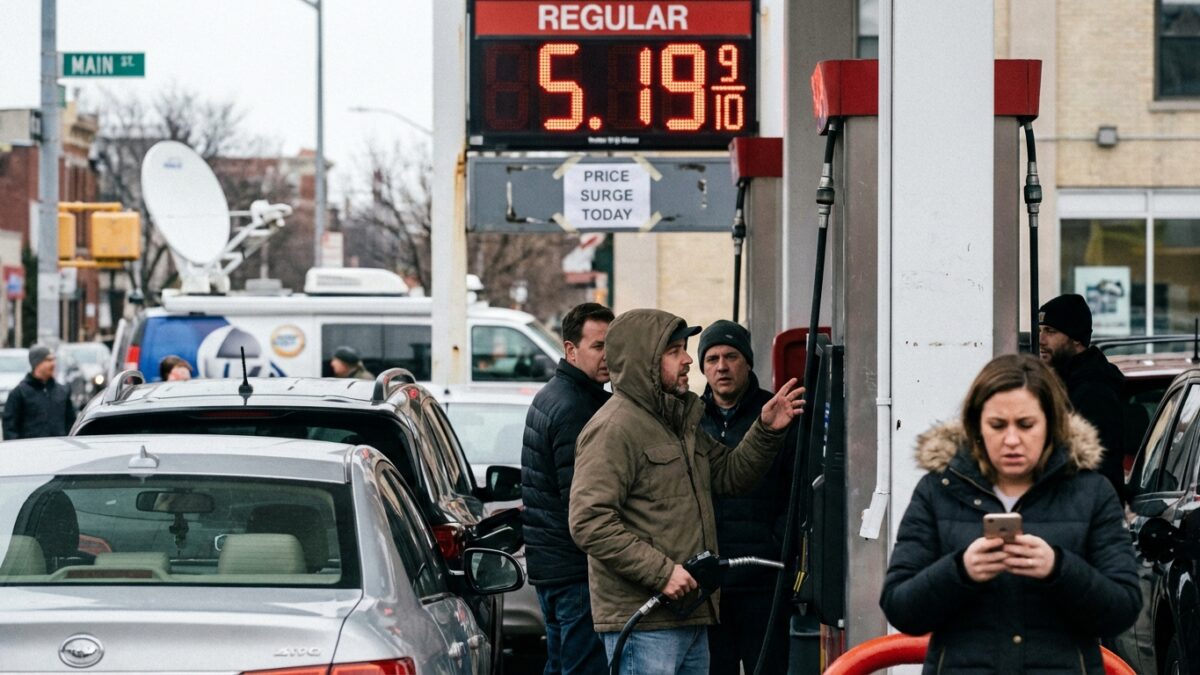
The average price of a gallon of gasoline in the United States surged 19 cents in a single day on March 3, reaching $3.138 per gallon in the largest one-day jump since Russia’s invasion of Ukraine in 2022. The spike, driven by the military conflict between the United States, Israel, and Iran and the effective closure of the Strait of Hormuz, threatens to unravel the falling energy prices that the Trump administration had repeatedly celebrated as a signature policy achievement. (Source: NBC News)
From Record Lows to Crisis
Gas prices had been declining steadily through late 2025, reaching levels not seen since 2021 by December. The American Automobile Association reported that the national average sat around $3.00 per gallon before the conflict erupted, with Utah’s average even lower at $2.89. The administration had cited falling fuel costs as evidence that its energy policies were working for American consumers. (Source: Deseret News; CNN)
GasBuddy analyst Patrick De Haan predicted prices could reach $3.20 per gallon by the end of the first week of the conflict, with further increases likely if the Strait of Hormuz remains closed. The AAA noted that gasoline prices were already on an upward trajectory due to the seasonal summer fuel blend transition, which typically adds 10 to 15 cents per gallon. The Iran conflict has accelerated and amplified this seasonal pattern. (Source: NBC News)
The Oil Price Mechanism
Consumer Budgets Under Pressure
For American households already dealing with elevated food prices and high interest rates, rising gasoline costs represent a direct hit to disposable income. The average American household consumes approximately 1,000 gallons of gasoline annually, meaning every 10-cent increase in the price per gallon costs roughly $100 per year. If prices rise to the $3.50 range that some analysts project for a sustained conflict, the annual cost increase would approach $500 per household compared to December’s lows.
The inflationary impact extends beyond the gas pump. Higher fuel costs increase the price of transporting goods, which eventually flows through to grocery prices, shipping costs, and services. The Federal Reserve, which had been considering interest rate cuts, may be forced to hold rates steady or even raise them if energy-driven inflation accelerates, potentially dampening economic growth just as the labor market had shown signs of softening. For the Trump administration, which built much of its economic messaging around low energy prices, the Iran conflict creates a painful political vulnerability that could intensify as the impact reaches consumers in the weeks ahead. (Source: Bloomberg; NPR)
Higher fuel costs cascade throughout the economy. Transportation costs flow to grocery prices, shipping rates, and services. Airlines face fuel bills that could push toward fare increases. Agriculture, dependent on diesel, faces cost pressures affecting food prices. The political dimensions are significant since Trump had celebrated falling gas prices as policy success. The Iran conflict undermines that narrative precisely when economic messaging matters most. The Federal Reserve faces a painful dilemma: higher energy prices argue against rate cuts while economic uncertainty from prolonged conflict argues for easing. The bond market’s whipsaw reflects this tension. How central banks navigate could determine whether the impact remains contained or spirals into a broader slowdown affecting millions of households.
Strategic petroleum reserves provide some buffer but are designed for short-term emergencies. The U.S. holds approximately 400 million barrels, enough to replace Gulf imports for months but not indefinitely. Japan and European nations maintain reserves, but coordinated release requires diplomatic agreement the current environment makes difficult. For consumers planning budgets, price uncertainty compounds financial stress from elevated food costs and high mortgage rates, creating a triple squeeze on discretionary spending that could slow the consumer-driven economy accounting for roughly 70 percent of U.S. GDP.
For small businesses, the fuel cost increase is particularly acute. Delivery services, construction companies, and agricultural operations that depend heavily on diesel and gasoline face margin compression that could force price increases for their customers or, in the worst case, business closures. The National Federation of Independent Business reported that energy costs ranked among the top three concerns for small business owners surveyed in late February, before the Iran conflict added new urgency to the issue.
The political consequences of rising gas prices are historically powerful. Fuel costs are among the most visible and psychologically impactful economic indicators because consumers encounter them daily at gas station signs and experience them directly at the pump. Research by political scientists has shown that gasoline prices are among the strongest predictors of consumer confidence, which in turn influences voting behavior. An administration that built its economic narrative around affordable energy now faces the challenge of explaining why military action in the Middle East justifies the pain Americans feel every time they refuel. Whether the conflict resolves quickly enough to prevent a sustained price increase will likely determine whether the political damage is contained or becomes a defining issue for the months ahead.