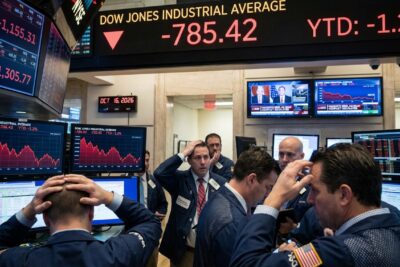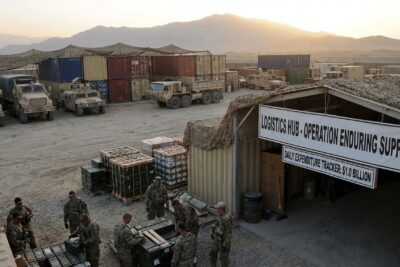
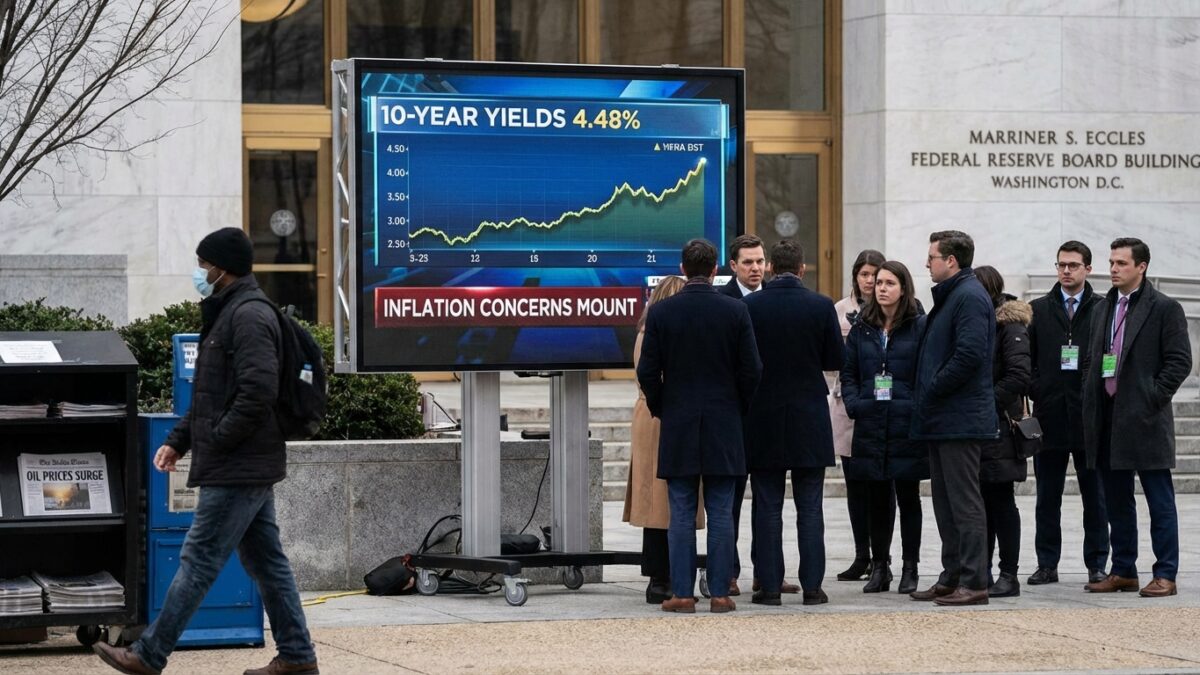
The Federal Reserve faces its most acute policy dilemma since the pandemic as the Iran war drives oil prices above $85 per barrel, stoking inflation fears at precisely the moment the economy shows signs of needing monetary easing. The 10-year Treasury yield surged toward 4.5 percent on March 5, its highest level since late 2024, as bond markets priced in the possibility that the Fed will need to hold rates steady or even raise them to combat energy-driven price pressures. (Source: Bloomberg; CNBC)
The Inflation Threat
Gasoline prices have risen by double digits since the war began, with the national average jumping from around $3.00 per gallon in late February to over $3.20 by March 5. GasBuddy analyst Patrick De Haan warned that if the Strait of Hormuz remains effectively closed, prices could reach $4.00 per gallon by summer, a level that would significantly erode consumer purchasing power. Goldman Sachs warned that if oil rises above $100 per barrel in a sustained conflict scenario, the global economic impact would be qualitatively different from the current disruption, potentially triggering recessions in oil-importing nations. (Source: NBC News; Fortune)
The inflationary impulse from oil extends beyond the gas pump. Transportation costs flow through to grocery prices, shipping rates, and services. Airlines face fuel bills that could force fare increases or route cuts. Manufacturing companies that depend on petroleum-derived inputs face margin compression. The Challenger outplacement firm’s February report already showed AI displacing 10 percent of announced job cuts, while year-to-date hiring plans were down 56 percent from 2025. (Source: CNBC)
The Growth Risk
The other side of the dilemma is equally concerning. The economy was already showing signs of deceleration before the war began. Consumer sentiment had weakened, and the housing market remained constrained by elevated mortgage rates. A prolonged conflict that keeps energy prices high could tip the economy from slowdown into contraction, particularly if consumer spending, which accounts for roughly 70 percent of GDP, contracts in response to higher fuel and food costs.
The American Association of Individual Investors survey showed bullish sentiment at its lowest level since November 2025, while small-cap stocks in the Russell 2000 dropped nearly 2 percent on March 5. Small companies are particularly vulnerable to economic slowdowns because they typically have less pricing power and less access to capital markets than large corporations. (Source: CNBC; TheStreet)
Central Bank Implications
If the Fed raises rates to combat oil-driven inflation, it risks deepening an economic slowdown. If it cuts rates to support growth, it risks embedding higher inflation expectations. If it holds steady, it satisfies neither concern. The bond market’s whipsaw behavior, with Treasury yields initially dropping on safe-haven demand before surging as inflation fears took hold, reflects this impossible positioning. (Source: Bloomberg)
Central banks in Europe face similar pressures. European natural gas prices surged over 20 percent as QatarEnergy halted LNG production and the Strait of Hormuz disrupted gas flows. The European Central Bank, which had been cautiously easing monetary policy, now confronts the prospect of renewed energy-driven inflation that could force a pause or reversal. For the hundreds of millions of consumers whose mortgage rates, loan costs, and savings returns depend on central bank decisions, the Iran war has introduced a level of economic uncertainty that extends far beyond the battlefield. (Source: NPR; Bloomberg)
The February employment data, due March 6, will provide the next major datapoint for the Fed’s decision-making. A strong jobs report would complicate the case for rate cuts by suggesting the economy does not need monetary support, while a weak report would heighten recession fears without resolving the inflation dilemma created by oil prices. The Challenger outplacement firm reported that companies announced 48,307 job cuts in February, with technology accounting for the biggest share and artificial intelligence cited as the driver for 10 percent of reductions. Year-to-date hiring plans are down 56 percent from the same period a year ago, signaling caution that predates the Iran conflict. (Source: CNBC)
For consumers, the dual threat of higher prices and potential job losses creates a vise that reduces spending confidence and economic activity. The American Association of Individual Investors survey showed neutral sentiment at its highest level since January 2025, suggesting that even retail investors who normally maintain optimistic outlooks are hedging their expectations. The Iran war has transformed a moderately challenging economic environment into one where every major variable, including oil, inflation, employment, and interest rates, is simultaneously uncertain, creating conditions that demand policy precision at a moment when the tools available to policymakers are least effective. (Source: CNBC; TheStreet)
Housing market implications add another dimension. Mortgage rates, which are closely tied to Treasury yields, face upward pressure that could further freeze an already sluggish real estate market. The combination of rising energy costs, potential mortgage rate increases, and declining consumer confidence creates conditions where multiple sectors simultaneously face headwinds, making the Fed’s policy calculus more complex than at any point since the pandemic era. (Source: Bloomberg; CNBC)