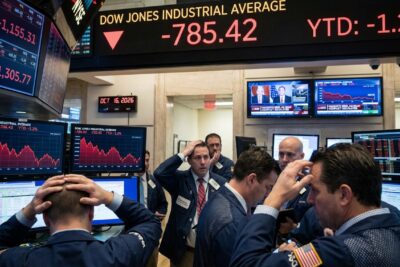
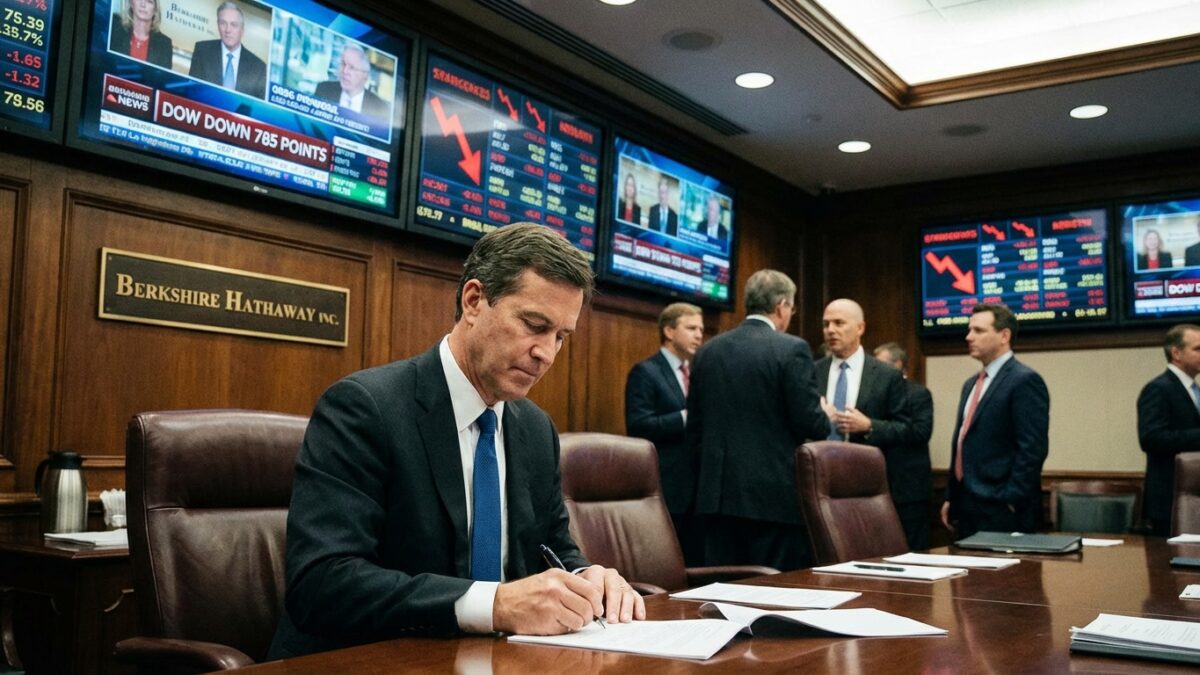
Berkshire Hathaway disclosed on March 5 that it had resumed repurchasing its own shares for the first time since 2024, and that new CEO Greg Abel had personally purchased $15 million worth of stock, sending a powerful signal of confidence in the conglomerate’s value amid the worst market turbulence since the tariff shocks of April 2025. The disclosure came on a day when the Dow Jones Industrial Average plunged 785 points and oil prices surged past $85 per barrel, suggesting that the legendary investment firm views the sell-off as a buying opportunity rather than the beginning of a prolonged decline. (Source: CNBC)
Abel’s Opening Statement
Abel, who succeeded Warren Buffett as CEO in late 2025, had been operating largely in Buffett’s shadow during the transition period. The personal stock purchase represents his most visible individual vote of confidence in the company and mirrors Buffett’s own history of buying Berkshire shares during periods of market stress. The $15 million investment, disclosed in a regulatory filing, was made on March 4, the day before the largest Dow decline of the year. (Source: CNBC)
Speaking on CNBC’s Squawk Box on March 5, Abel discussed the reasoning behind the buybacks, emphasizing Berkshire’s massive cash reserves and the intrinsic value of the company’s diverse portfolio of operating businesses. Berkshire had accumulated over $300 billion in cash and short-term Treasury holdings during Buffett’s final years at the helm, a war chest that provides extraordinary flexibility during market dislocations.
The Buffett Playbook
The move echoes Buffett’s famous dictum to be greedy when others are fearful. During the 2008 financial crisis, Buffett invested billions in Goldman Sachs, Bank of America, and other companies at distressed prices, generating enormous returns for Berkshire shareholders. During the early days of the COVID-19 pandemic, however, Buffett was notably cautious, avoiding major purchases and drawing criticism from investors who expected more aggressive deployment of capital.
Abel’s decision to resume buybacks during the Iran war sell-off positions him more in the 2008 mold than the 2020 mold, suggesting a belief that the current geopolitical crisis, while serious, does not represent a fundamental threat to the American economy. The signal carries weight precisely because Berkshire’s investment decisions are made by individuals with direct access to more information about the American business landscape than virtually any other investors, given the conglomerate’s ownership of dozens of operating companies across every major sector.
Market Context
Berkshire shares held relatively steady during the broader market sell-off, reflecting investor confidence in the company’s defensive positioning. The conglomerate’s energy holdings, including Berkshire Hathaway Energy and significant positions in Occidental Petroleum, benefit from higher oil prices, partially offsetting the headwinds facing its insurance, railroad, and consumer-facing businesses. (Source: CNBC)
The individual investor survey from the American Association of Individual Investors showed bullish sentiment at its lowest since November 2025, while neutral sentiment hit its highest reading since January 2025. In this environment of widespread uncertainty, Berkshire’s buyback announcement serves as a contrarian indicator that institutional money believes the sell-off has overshot fundamental values. Whether Abel’s conviction proves prescient will depend on the duration and resolution of the Iran conflict, but the move establishes his early tenure as one of action rather than caution. (Source: CNBC)
The buyback decision reflects Berkshire’s distinctive position in the market. With over $300 billion in cash and short-term Treasury holdings, the conglomerate has the financial flexibility to act as a buyer when most investors are selling. Buffett’s succession plan had identified Abel as someone who would maintain the company’s disciplined approach to capital allocation, and the buyback announcement suggests that discipline is being applied consistently under new leadership. The energy holdings within Berkshire’s portfolio, including Berkshire Hathaway Energy and significant positions in Occidental Petroleum, benefit from higher oil prices, providing a natural hedge against the economic headwinds that are driving the broader market sell-off. (Source: CNBC)
For institutional investors watching Abel’s first major capital allocation decision, the signal is that Berkshire under his leadership will be an active, decisive capital allocator rather than a passive steward of Buffett’s legacy. The personal stock purchase adds conviction that goes beyond corporate treasury management, putting Abel’s own wealth behind his assessment of the company’s value. Whether the timing proves optimal will depend on the resolution of geopolitical tensions that no investor can predict, but the willingness to act amid maximum uncertainty is precisely the quality that Buffett sought in his successor and that Abel is now demonstrating to the broader investment community. (Source: CNBC)
Market analysts noted that Berkshire’s Class B shares held relatively steady during the broader market carnage, demonstrating the defensive qualities that have long attracted investors to the conglomerate during uncertain periods. The company’s massive insurance operations, diversified industrial holdings, and enormous cash position provide multiple layers of protection against the kind of macro shocks that are devastating more leveraged or concentrated portfolios. (Source: CNBC)
The broader investment community is watching Abel’s early moves with intense interest. Buffett’s departure from day-to-day management marked the end of an era that defined modern value investing. Abel’s decision to act decisively during a crisis, rather than sitting on cash as his predecessor sometimes did during volatile periods, suggests a slightly different temperament that may produce different long-term outcomes for shareholders.