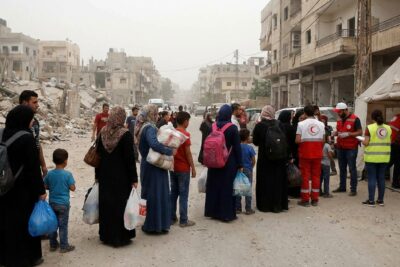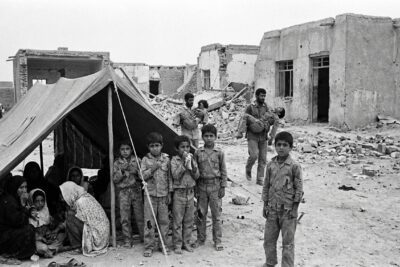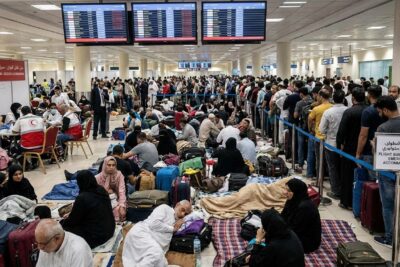
The World Health Organization reported on March 5 that nearly 1,000 deaths had been confirmed in Iran since the U.S.-Israeli military campaign began on February 28, with the actual toll likely significantly higher due to disrupted communications and overwhelmed hospital systems. At least 181 of the dead are children, according to UNICEF, and the Iranian Red Crescent Society reported that strikes have hit targets in at least 174 cities across the country. The humanitarian crisis is compounding a medical system already strained by decades of sanctions and the lingering effects of the COVID-19 pandemic. (Source: Al Jazeera; Democracy Now!)
Hospitals Under Strain
Iranian medical facilities are struggling to cope with the volume of casualties. The Red Crescent reported that paramedics have been killed in the course of their work, with at least two killed in Shiraz alone. Strikes have hit civilian infrastructure including residential buildings, parking structures, petrol stations, and schools. Iran’s Foreign Ministry spokesman Esmail Baghaei posted footage of destroyed classrooms at an elementary school in Tehran’s Niloufar Square that was struck during the bombing campaign. (Source: Al Jazeera)
The attack on the girls’ school in Minab on the first day of the conflict, which killed at least 165 schoolgirls and staff, has drawn particular international condemnation. UNICEF called for immediate protection of civilian infrastructure including schools and hospitals, noting that children bear no responsibility for the conflict and must be shielded from its consequences. Medical supply chains have been disrupted by the destruction of transportation infrastructure and the closure of Iranian airspace. (Source: Democracy Now!; UNICEF)
Regional Health Impact
The health impact extends beyond Iran. In Lebanon, where Israeli forces have launched a ground offensive alongside bombardment of Beirut’s southern suburbs, more than 300,000 people have been displaced. Lebanese hospitals, which were already overwhelmed by the country’s ongoing economic crisis and the aftermath of the 2020 Beirut port explosion, face a surge of casualties they are ill-equipped to handle. The WHO reported 77 deaths in Lebanon and 11 in other Gulf countries as retaliatory Iranian strikes hit UAE, Bahrain, Kuwait, and Saudi Arabia. (Source: CNN; NBC News)
The destruction of medical training facilities and educational institutions compounds the long-term health impact. Iran’s medical education system, which trains physicians and specialists who serve the broader Middle East and Central Asia, has been disrupted by the bombing of university campuses and teaching hospitals. The loss of these institutions affects not just current patients but the pipeline of future healthcare providers, creating a deficit that will take years to reverse even after the conflict ends. (Source: Al Jazeera)
Access and Accountability
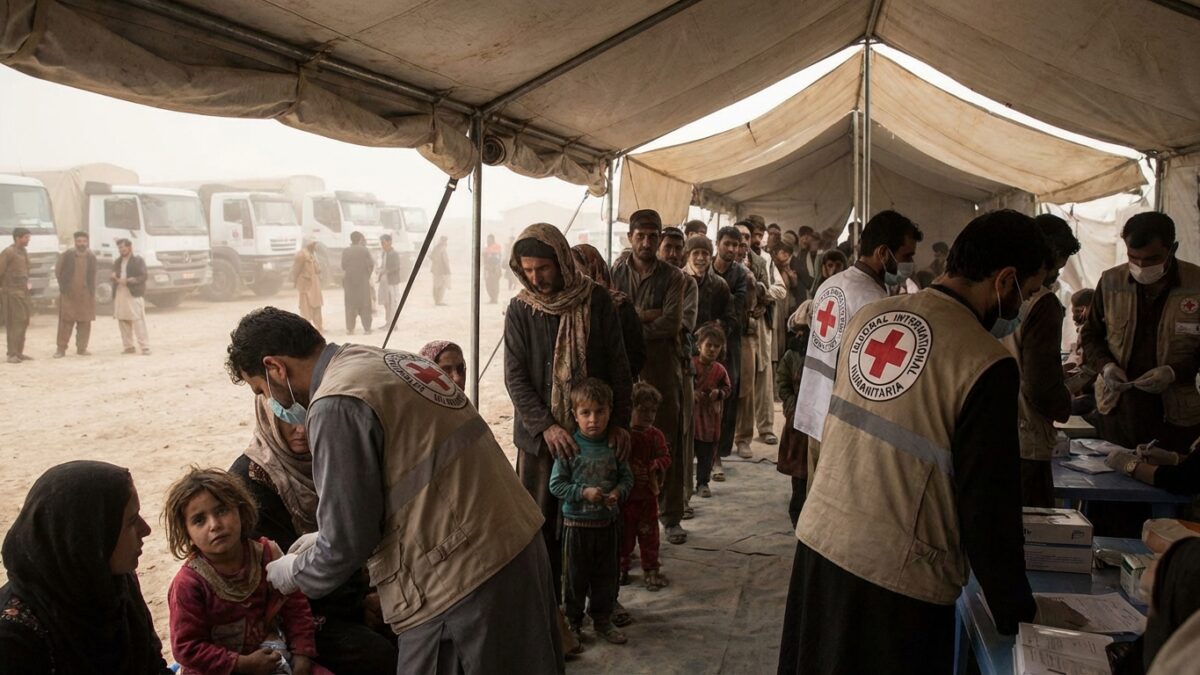
International humanitarian organizations have faced severe challenges accessing affected populations. The closure of Iranian airspace prevents humanitarian flights, while the destruction of ground transportation infrastructure complicates overland aid delivery. The International Committee of the Red Cross has called for all parties to respect international humanitarian law and ensure that medical facilities, personnel, and transport are protected from attack.
The WHO, which lost its largest funder when the United States withdrew in January 2026, faces the additional challenge of responding to a major humanitarian crisis with reduced resources. The organization’s budget had already undergone cuts including a hiring freeze and travel restrictions imposed after the U.S. departure. The Iran conflict represents the most significant test of the WHO’s post-American capacity, and early indications suggest the organization is struggling to mount the kind of coordinated response that would have been possible with full U.S. support. For the civilians caught in the crossfire, the health consequences of this conflict will be measured not just in immediate casualties but in the long-term degradation of a medical system that serves 87 million people. (Source: WHO; Al Jazeera)
The destruction of medical infrastructure compounds the immediate casualty toll. Hospitals in several Iranian cities report being overwhelmed, with some facilities operating at triple their designed capacity. Medical supply chains have been disrupted by the destruction of transportation infrastructure, the closure of Iranian airspace, and the effective blockade of the Strait of Hormuz, which restricts the flow of pharmaceutical imports. The Red Crescent has called for humanitarian corridors to allow medical supplies to reach affected populations, but no such arrangements have been established amid ongoing hostilities. (Source: Al Jazeera; Democracy Now!)
International humanitarian organizations including Doctors Without Borders have condemned attacks on civilian infrastructure and called for all parties to respect international humanitarian law. The Geneva Conventions prohibit deliberate attacks on hospitals, schools, and civilian population centers, and the systematic nature of the destruction documented across multiple Iranian cities raises questions about compliance with these fundamental rules of armed conflict. For the WHO, already weakened by the U.S. withdrawal in January that stripped its largest funder, coordinating a humanitarian response to a conflict involving its former primary benefactor creates unprecedented institutional and political challenges. (Source: WHO; UNICEF)
The timing of this humanitarian crisis is particularly challenging because the WHO lost its largest funder when the United States withdrew in January 2026, terminating all funding and recalling personnel. The organization had already implemented hiring freezes, travel reductions, and virtual-only meetings in response to the budget shortfall. Responding to a major conflict-driven health emergency with reduced resources represents the most significant test of the post-American WHO’s operational capacity. (Source: WHO; Euronews)