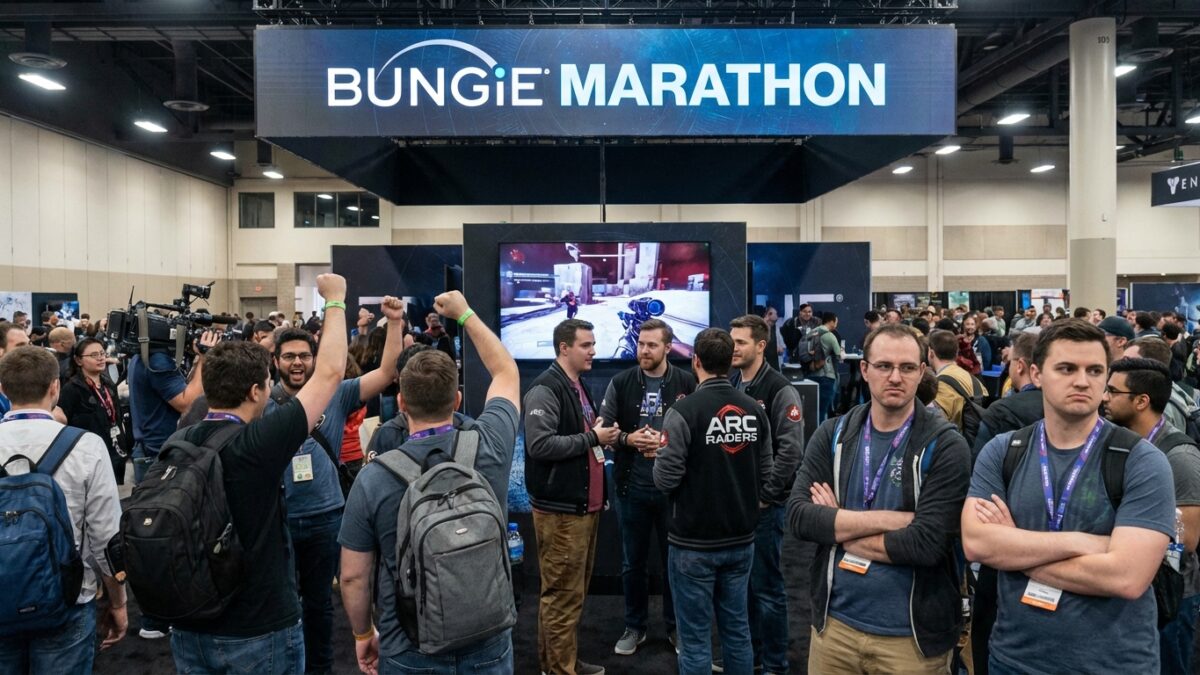
Marathon, Bungie’s long-awaited reimagining of its classic 1990s franchise as a modern extraction shooter, launched on March 5 to a reception that has divided both critics and players. The Sony-published game features striking art direction, Bungie’s signature precise gunplay, and a variety of customizable Runner Shells, but faces questions about whether the competitive extraction shooter market can sustain another major entrant alongside established titles and the recently released ARC Raiders. (Source: GameSpot; PC Gamer)
The Bungie Comeback Bid
Marathon arrives at a critical moment for Bungie, which has undergone significant restructuring since winding down Destiny 2’s live service content. The studio’s reputation as one of the premier FPS developers, built through Halo and Destiny, is being tested by a genre shift that takes the company into unfamiliar competitive territory. The extraction shooter format, where players drop into matches, gather loot, and attempt to extract before being eliminated by other players or environmental threats, demands a different design sensibility than the power-fantasy-driven combat of Destiny. (Source: GameSpot; PC Gamer)
The game’s art direction has been universally praised. Set on the distant world of Tau Ceti IV, Marathon presents a visually distinctive science fiction aesthetic that distinguishes it from the military realism of many competitors. The Runner Shell system, which allows players to customize their characters’ abilities and loadouts, provides strategic depth that rewards experimentation and mastery.
Market Saturation Concerns
Industry observers are closely watching Marathon’s opening week performance as an indicator of the extraction shooter genre’s capacity. ARC Raiders from Embark Studios established itself in the market over the past year, while Escape from Tarkov and Hunt: Showdown maintain dedicated communities. The question is whether Marathon’s brand recognition and Bungie’s gunplay expertise can carve out a sustainable player base in an increasingly crowded field. (Source: DLCompare)
The live-service shooter segment is particularly demanding because player retention, not just initial sales, determines long-term success. Marathon’s roadmap includes seasonal content updates, new maps, and competitive events designed to sustain engagement, but the genre’s history suggests that only a handful of titles can maintain large enough communities to support ongoing development. Bungie’s experience managing Destiny’s live service gives it institutional knowledge that pure newcomers lack, but translating that expertise to a fundamentally different game format is not guaranteed.
The Broader March Context
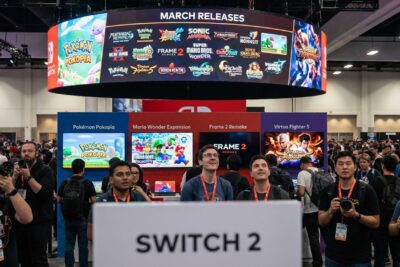
Marathon’s launch into one of gaming’s most competitive months creates both visibility and risk. World of Warcraft: Midnight, Slay the Spire 2, Fatal Frame 2: Crimson Butterfly Remake, and Pokemon Pokopia all compete for player attention. The density of major releases means that even high-quality games can struggle to break through, particularly in a genre where player commitment to one title typically comes at the expense of time spent in competitors. (Source: GameSpot; PC Gamer)
For Sony, which published Marathon, the game represents a bet on the live-service model that the PlayStation parent company has been pursuing through multiple studio investments. The success or failure of Marathon will influence Sony’s future publishing strategy and its relationship with Bungie, a studio that cost $3.6 billion to acquire. Whether Marathon becomes a long-term franchise or a cautionary tale about market timing will take months to determine, but its opening week suggests a game that has all the mechanical ingredients for success if it can find and retain its audience. (Source: GameSpot; DLCompare)
The game’s server infrastructure handled the launch with relatively few issues, a notable achievement given the troubled launches that have plagued several recent multiplayer games. Bungie’s experience managing Destiny 2’s live service appears to have informed a more robust technical foundation, though the true test will come during peak concurrent player periods in the weeks ahead. The company has outlined a roadmap of seasonal content including new maps, weapons, and competitive events designed to sustain the engagement curve that live-service games require to generate ongoing revenue. (Source: GameSpot; PC Gamer)
Industry analysts are watching Marathon’s player retention metrics closely. The extraction shooter format is inherently less accessible than traditional competitive shooters because permadeath mechanics mean each match has real consequences. Players who lose their loot to better-equipped opponents can become frustrated and leave, creating a retention challenge that differs fundamentally from the respawn-based gameplay of Call of Duty or Halo. Bungie’s approach, which includes protected loot slots and progression systems that provide steady advancement regardless of extraction success, represents an attempt to broaden the genre’s appeal without sacrificing the tension that defines it. Whether these accessibility measures are sufficient to build a mainstream audience will determine whether Marathon achieves its commercial ambitions. (Source: GameSpot; DLCompare)
The Sony partnership gives Marathon access to PlayStation’s massive installed base while also releasing on PC, a dual-platform strategy that maximizes potential audience reach. Sony’s investment in live-service games extends across multiple studios and franchises, representing a strategic bet that recurring revenue models will become the dominant business structure for competitive multiplayer games. Marathon’s performance will directly influence how aggressively Sony pursues this strategy going forward and what level of investment studios like Bungie can expect for ongoing content development. (Source: GameSpot)