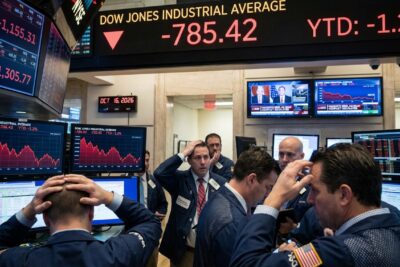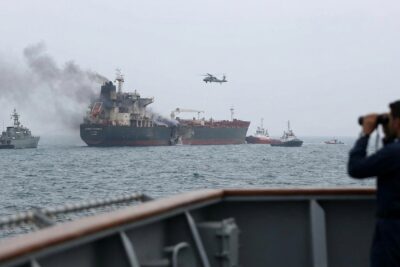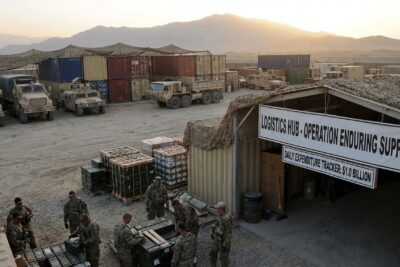
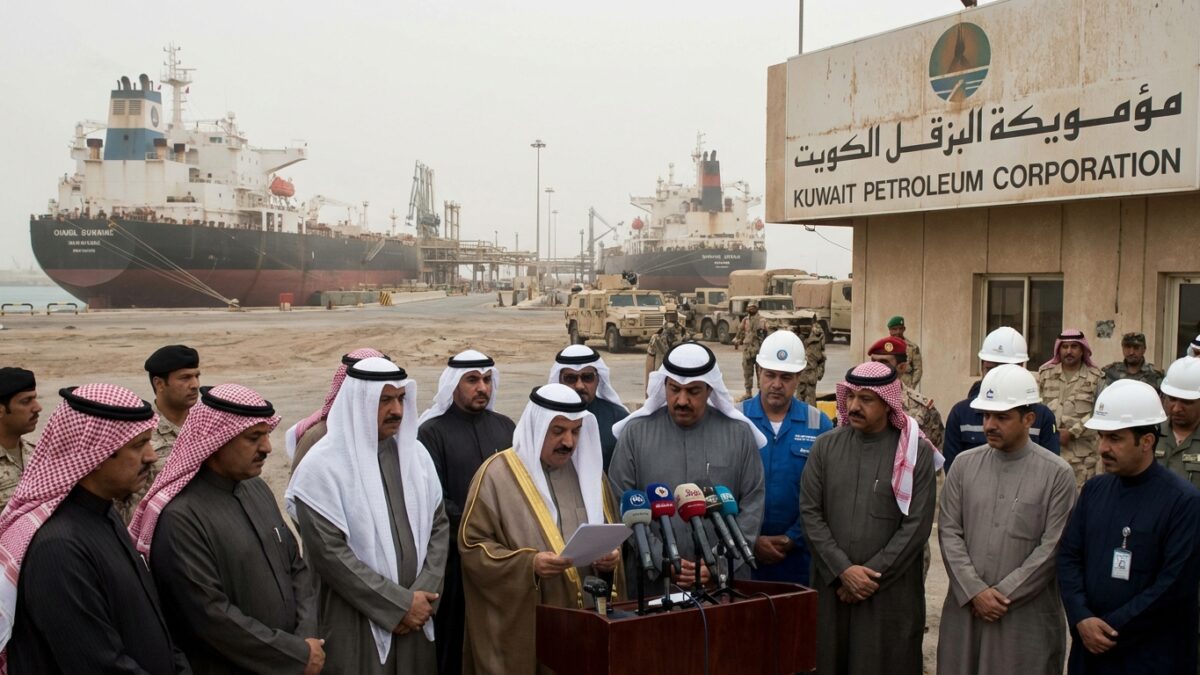
Kuwait declared force majeure on its crude oil production in the first week of March 2026, becoming the first major OPEC producer to formally halt exports due to the U.S.-Iran conflict. The declaration, which relieves Kuwait of contractual obligations to deliver oil to buyers, underscores the severity of the disruption to global energy markets as the Strait of Hormuz remains effectively blocked and Iranian strikes target critical infrastructure across the Persian Gulf. The move sent oil prices soaring further, with Brent crude trading above $85 per barrel. (Source: Reuters; NCRI)
What Force Majeure Means
A force majeure declaration is among the most consequential actions an oil-producing nation can take. It legally excuses Kuwait from fulfilling delivery contracts due to circumstances beyond its control, specifically the active military conflict that has made shipping through the Strait of Hormuz effectively impossible and placed Kuwaiti infrastructure under direct attack. Kuwait’s international airport fuel tanks were targeted by Iranian drones, and the country’s airspace has been repeatedly contested during the conflict. (Source: Reuters; NCRI)
Kuwait produces approximately 2.7 million barrels of oil per day, making it one of the world’s largest exporters. The cessation of these exports removes a significant volume of supply from global markets at a time when demand remains robust and alternative supply sources are limited. The force majeure affects not just crude oil but also refined petroleum products and liquefied natural gas that Kuwait exports to Asian and European markets.
Cascading Energy Disruption
Kuwait’s declaration is the most dramatic manifestation of a broader energy supply crisis. Approximately 20 percent of global oil consumption normally transits the Strait of Hormuz, and tanker traffic through the waterway has been at a virtual standstill since the conflict began. Marine insurance providers have withdrawn coverage or imposed prohibitive premiums, creating an effective commercial blockade that extends beyond the military threat. At least six major shipping companies halted or diverted vessels from the strait in the first days of fighting. (Source: CNBC; Kpler)
QatarEnergy halted LNG production in the first days of the conflict, European natural gas prices surged over 20 percent, and Saudi Arabia reported its first civilian fatalities from Iranian projectile strikes. The combined effect has disrupted energy supply chains serving billions of consumers worldwide. Goldman Sachs warned that if disruptions extend beyond four weeks, oil prices could surge into triple digits as forced demand destruction becomes the only mechanism for rebalancing the market. (Source: Fortune; NBC News)
Economic Fallout
For Kuwait itself, the force majeure represents an enormous economic cost. Oil revenues constitute approximately 90 percent of the country’s government income and more than half of GDP. Extended disruption could force Kuwait to draw down sovereign wealth reserves that were accumulated precisely for situations like this. The Kuwait Investment Authority, which manages assets estimated at over $800 billion, provides a substantial financial cushion but one that is finite if the conflict persists for weeks or months.
The global economic implications extend far beyond energy markets. Every product that requires petroleum, from plastics to pharmaceuticals to agricultural chemicals, faces potential supply constraints and price increases. Airlines, which were already dealing with routes disrupted by the conflict, face fuel costs that could force industry-wide fare increases or service reductions. Manufacturing supply chains that depend on Gulf-sourced petrochemical feedstocks face disruptions that could take months to resolve even after the conflict ends.
OPEC+ Response Inadequate
OPEC+ had agreed to boost production by 206,000 barrels per day in April, a move that was already insufficient to offset the scale of disruption. With Kuwait now formally out of the market and other Gulf producers’ exports constrained by the Strait of Hormuz blockade, the cartel’s ability to manage prices is severely limited. The United States, the world’s largest oil producer, has limited spare capacity that could be brought online quickly. The Strategic Petroleum Reserve holds approximately 400 million barrels but is designed for temporary emergencies, not sustained supply replacement. (Source: Al Jazeera; NPR)
For consumers worldwide, the Kuwait force majeure declaration is a signal that the energy disruption from the Iran war is not a temporary market scare but a structural supply crisis with potentially lasting consequences. Each day the Strait of Hormuz remains closed brings the global economy closer to the kind of sustained energy shock that has historically triggered recessions.
The strategic implications extend beyond Kuwait. Saudi Arabia reported its first civilian fatalities from Iranian projectile strikes. While Saudi production continues, the threat of further attacks on critical infrastructure represents a risk that could dwarf Kuwait’s force majeure. If Saudi output were disrupted even temporarily, the global market would face a deficit of catastrophic proportions.
Insurance premiums for shipping in the broader Gulf have risen to levels that effectively price out all but the most desperate operators. The cost of war risk insurance has increased by orders of magnitude, creating a commercial blockade extending well beyond the Strait of Hormuz. For oil-importing nations in Asia, particularly China, India, Japan, and South Korea, the disruption threatens economic growth dependent on affordable Gulf energy imports. (Source: CNBC; Kpler)