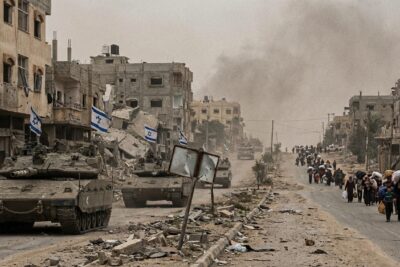
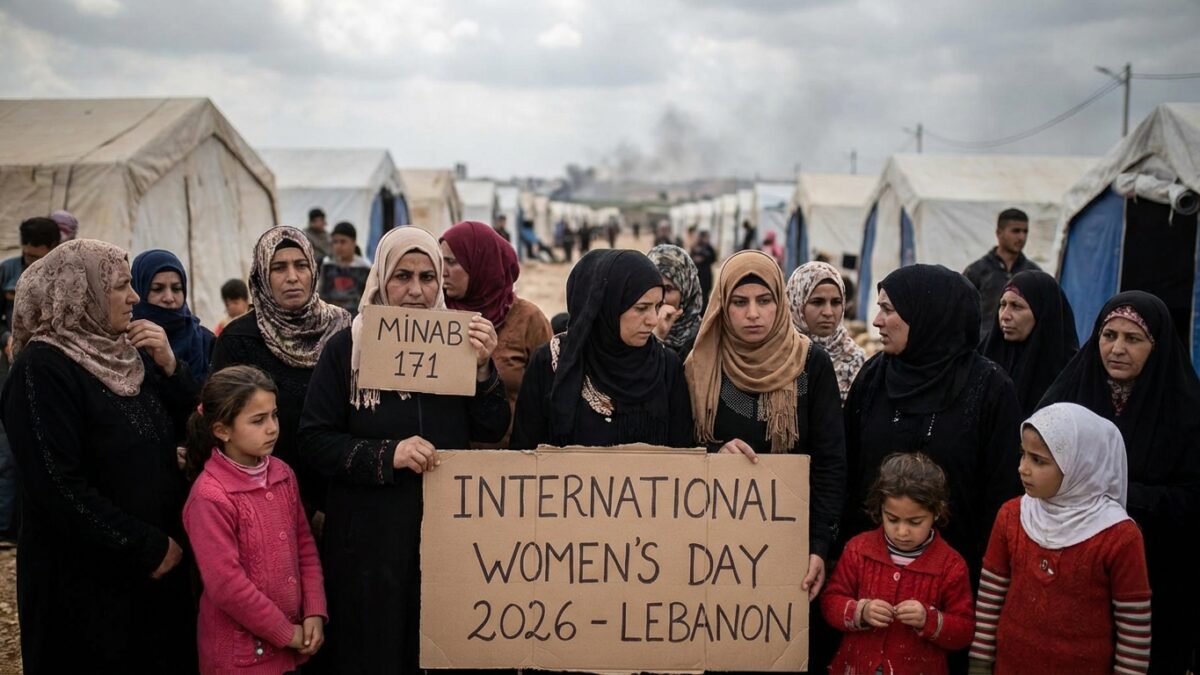
International Women’s Day on March 8, 2026, was observed globally under the shadow of the Iran war, with the devastating impact on women and girls becoming a central theme of commemorations worldwide. The killing of at least 171 schoolgirls in the Minab school strike, the displacement of hundreds of thousands of women and children in Lebanon, and the destruction of educational infrastructure across Iran have made the war’s gendered impact impossible to ignore. From rallies in Washington to vigils in London to protests across the Middle East, the day’s events highlighted both the ongoing fight for gender equality and the particular vulnerability of women and girls in armed conflict. (Source: Wikipedia; UNICEF)
The War’s Gendered Impact
UNICEF’s confirmation that at least 181 children, predominantly girls in the case of the Minab strike, have been killed in Iran since the conflict began cast a somber backdrop over International Women’s Day observances. Women’s rights organizations pointed out that the destruction of schools, particularly girls’ schools, represents not just immediate harm but a long-term setback for female education and empowerment in a country where women have historically fought for access to educational opportunities. The Iranian Foreign Ministry’s documentation of strikes on elementary schools reinforced the message that civilian infrastructure serving women and children has not been adequately protected. (Source: UNICEF; Al Jazeera)
In Lebanon, where over 517,000 people have been displaced, women and girls face compounded vulnerabilities including disrupted healthcare access, separation from support networks, and the psychological trauma of bombardment and forced displacement. Women’s health organizations warned that the disruption to reproductive healthcare services in both Iran and Lebanon could have lasting consequences, with pregnant women unable to access prenatal care and survivors of gender-based violence losing access to support services. (Source: Al Jazeera)
Global Observances
Despite the grim context, International Women’s Day events worldwide maintained their traditional focus on celebrating women’s achievements and advancing gender equality. The theme of accelerating progress resonated across rallies, conferences, and cultural events, with organizers emphasizing that the setbacks of conflict must not be allowed to define the trajectory of women’s rights globally. In Washington, demonstrators near the U.S. Capitol combined antiwar messaging with calls for gender equity, creating a colorful display of solidarity that brought together people of varied political backgrounds. (Source: NCRI; Wikipedia)
The juxtaposition of celebration and crisis encapsulated the complexity of International Women’s Day 2026. As women and girls bore a disproportionate burden of the conflict’s civilian toll, the global feminist movement found both its purpose sharpened and its challenges multiplied. The day served as a reminder that the progress of decades can be erased by the destruction of weeks, and that the protection of women’s rights requires not just peacetime advocacy but urgent attention during the conflicts that disproportionately harm women and children.
The war’s impact on women’s healthcare extends beyond immediate casualties. Reproductive services in Iran and Lebanon have been severely disrupted. Pregnant women report inability to access prenatal care. Gender-based violence survivors have lost access to support services. Women’s health organizations specifically called for humanitarian corridors ensuring reproductive healthcare access, demands not addressed amid military operations. (Source: UNICEF; Al Jazeera)
The educational impact is equally devastating. Iran had made significant progress in female attainment, with women outnumbering men in university enrollment. The destruction of schools and universities threatens to reverse these gains. For girls amid the conflict, lost educational infrastructure represents potential lifelong setback in a society where education has been the most reliable pathway to independence. International Women’s Day 2026 will be remembered not for celebrations but for the stark reminder that women’s rights remain among the first casualties of armed conflict.
The intersection of International Women’s Day and armed conflict has historical resonance. The day was originally established in the early twentieth century partly in connection with women’s peace movements, and its evolution into a celebration of gender equality has always coexisted with awareness of women’s vulnerability during wartime. The 2026 observance brought this dual nature into sharp focus, with celebrations of women’s achievements in science, business, and public life occurring alongside vigils for the schoolgirls of Minab and the displaced women of Lebanon. The day served as a powerful reminder that gender equality is not merely a development goal for peacetime but an urgent imperative that demands attention precisely when conflict threatens to erase the progress of decades.
The global observances of International Women’s Day 2026 also highlighted the ongoing threat to women’s reproductive rights and healthcare access beyond the war zone. The dismantling of federal health infrastructure in the United States, including the withdrawal from the WHO and reductions to the recommended vaccine schedule that affect HPV prevention and other women’s health concerns, created a domestic context that resonated with the international day’s themes. The convergence of conflict-zone devastation and peacetime policy rollback created a narrative arc that connected women’s vulnerability in war with the erosion of their rights and protections in even the world’s wealthiest nations. (Source: Live Science; UNICEF)